
If you are considering a rhinoplasty, there are many different factors you need to take into account. There are many rhinoplasty procedures, and finding the right one depends on what your nose surgeon feels is right for your nose shape. An ultrasonic rhinoplasty procedure maybe recommended by our GMC Specialist Registered plastic surgeon Mr Amir Sadri for a number of reasons such as less trauma and reduced swelling.
This page was medically reviewed by Mr David Gateley MA, FRCS, FRCS (Plast), Medical Director, GMC number 2939470 on 1 July 2026 .
An ultrasonic rhinoplasty is a type of nose job that uses high-speed sound waves to reshape the nasal bones and cartilage. Compared to traditional rhinoplasty, which requires the cutting and removing of excess bone and cartilage, ultrasonic rhinoplasty has advantages: it’s minimally invasive and often quicker to perform with fewer risks.
Ultrasonic techniques allow for precise sculpting of the nasal bone, minimising damage to surrounding soft tissues and resulting in less bruising and swelling.
The procedure typically involves making small incisions in the nose’s skin, exposing the underlying bone and cartilage, and then using an ultrasonic device to break up and reshape them with ultrasonic energy. This allows for more precise sculpting of the nose, which can result in a more refined shape. The ultrasonic technique reduces soft tissue trauma, leading to quicker recovery times and greater precision.

Surgeons can only use the ultrasonic device in open rhinoplasty, meaning the operation is performed through one incision inside the nostrils. This allows for greater accuracy and better control of the structure. Ultrasonic piezo rhinoplasty uses advanced technology for better precision and control.
In contrast to open rhinoplasty, closed rhinoplasty (endonasal), has a few smaller incisions and works with limited access. The larger incision from an open rhinoplasty allows the surgeon to gain better access to the nose structure, granting them more control and precision over changes. Powerful ultrasound technology can make changes, with often less harm to the nearby tissue.
Our plastic surgeon Mr Sadri will advise if you are suitable for Ultrasonic Rhinoplasty. Find out more.
This can be achieved with precision and accuracy using advanced ultrasound technology.
Ultrasonic rhinoplasty can also address issues with the nasal tip, such as a bulbous nasal tip, to achieve a more aesthetically pleasing nose with fewer postoperative complications.
In addition, the best candidate for an ultrasonic rhinoplasty is one who is healthy and has realistic expectations about what this type of surgery can achieve. There will still be minor bruising and swelling post-surgery, even with this minimally invasive approach. The ideal patient should also not smoke, as smoking can significantly increase healing time and the risk of complications, such as infection or scarring.
Compared to more traditional rhinoplasty surgery methods, recovery time after an ultrasonic rhinoplasty surgery is shorter. Most patients experience some soreness, swelling, and minor bruising, but these symptoms usually disappear within seven days following surgery. Patients can typically wear glasses again a few weeks post-op and return to normal activities within four to six weeks, depending on the swelling. To minimise risks of bleeding or infection, patients should follow the surgeon's recommendations and follow proper wound care instructions given by the surgeons and medical team during their post-operative visits.
For more information on Rhinoplasty recovery visit here.
As with any surgical procedure, some risks are associated with an ultrasonic rhinoplasty. The most common hazards include bleeding, infection, hematoma, swelling, scarring, and asymmetry. The risks associated with an ultrasonic rhinoplasty are lower than those of traditional rhinoplasty because of its minimally invasive nature. Piezo rhinoplasty or piezoelectirc rhinoplasty, utilising advanced ultrasonic technology, further reduces these risks by offering greater precision and less tissue damage.
We will discuss these risks with your plastic surgeon in your consultation.
Choosing the right surgeon for your ultrasonic rhinoplasty is important to achieving a successful outcome. Here are some key factors to consider when selecting a surgeon:
Experience: Look for a plastic surgeon with extensive experience in performing ultrasonic rhinoplasty procedures. An experienced surgeon will have a deep understanding of the technique and be able to handle any complexities that may arise during the surgery.
Qualifications: Ensure the surgeon is qualified and certified to perform ultrasonic rhinoplasty. Check their credentials and verify that they have received specialised training in this advanced technique.
Reputation: Research the surgeon’s reputation online and seeing rhinoplasty before and after photos in consultation are important.
Communication: Choose a surgeon who communicates clearly and effectively, answering all your questions and concerns. A good surgeon will take the time to explain the procedure, discuss your goals, and set realistic expectations.
Facilities: We only use state-of-the-art hospital facilities and equipment to perform ultrasonic rhinoplasty procedures.

Mr David Gateley
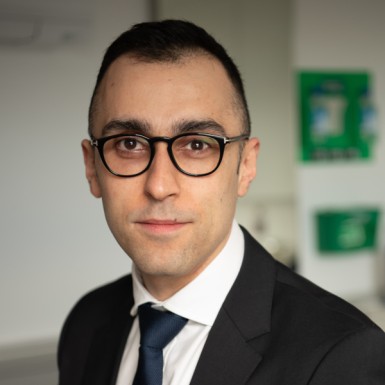
Mr Amir Sadri
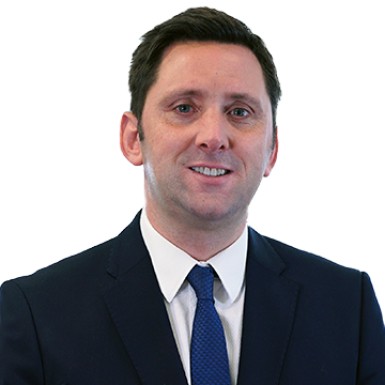
Mr Paul Tulley
At Kensington Medical, our experience and expertise ensures your journey to a refreshed and confident rhinoplasty result. The starting point of this process is a consultation nose surgeon. In the face to face consultation your plastic surgeon will find out what you want to achieve, what are the best nose surgery options for your facial structure and nose, your timelines and any specific dates you are working towards.
Your plastic surgeon will show you before and after photos of rhinoplasty past patients. They will recommend you bring along some photos of when you were younger.
If you're having multiple procedures done at once, these plans will combine all aspects into one personalised program.
Consultations can be arranged in either Harley street, London or our Wimbledon location. To find out what is best for you fill in the contact us form or phone for information. We are hear to help you.