
Rhinoplasty for different ethnic groups involves specialised techniques to preserve and enhance cultural identity and create harmony for the nose and face. At Kensington Medical our GMC Specialist Registered Plastic Surgeons are experts in helping Asian and South Asian, African American, Afro Caribbean, Middle Eastern, and Hispanic patients achieve a nose that is both natural looking and achieves facial harmony of the face.
Key points:
“Operating on ethnic noses is my specialty, with the focus on preserving the natural characteristics.” Mr Amir Sadri, Consultant Plastic Surgeon, GMC: 6163656, 18 years in practise.
This page was medically reviewed by Mr David Gateley MA, FRCS, FRCS (Plast), Medical Director, GMC number 2939470 on 29 July 2026 .
Ethnic rhinoplasty involves specialised nasal surgery. This ethnic rhinoplasty procedure is for individuals of ethnic backgrounds who want to enhance their natural features without losing their heritage through ethnic nose surgery.
Ethnic rhinoplasty aims to create a natural-looking nose that complements facial features. Recognising and respecting the unique nasal characteristics of different ethnic groups allows surgeons to create results that enhance overall facial harmony and aesthetics while maintaining ethnic identity. At Kensington Medical Mr Amir Sadri Plastic and Reconstructive Surgeon has experience with all types of ethnic noses and the surgical changes are different to other rhinoplasty procedures.
Cultural beauty standards play a significant role in aligning surgical outcomes with patient expectations. Each ethnic group has distinct opinions about what is aesthetically beautiful and culturally appropriate. An African American patient might seek to refine a wide nasal bridge however to keep its natural contour. An Asian patient might focus on augmenting the nasal bridge for a more defined profile.
A deep understanding of nasal anatomy and experience with diverse cultural backgrounds are essential for surgeons to ensure successful outcomes. This expertise enables them to tailor techniques to meet and exceed the aesthetic goals.

Ethnic rhinoplasty improves the appearance of the nose. At the same time, it maintains the individual’s cultural identity. This dual focus is crucial for achieving patient satisfaction, as it allows individuals to enhance their natural features without losing the distinctive characteristics that reflect their heritage. Maintaining the distinctive features of the patient’s ethnic background is crucial for achieving natural and harmonious results.
Cultural sensitivity ensures desired changes while preserving culturally significant features. For example, a Middle Eastern patient might want to reduce a prominent dorsal hump without altering the overall shape of their nose, which is a culturally significant feature. This requires a nuanced approach that respects the patient’s cultural and aesthetic preferences.
A major challenge in ethnic rhinoplasty is achieving an aesthetically appealing result while maintaining ethnic facial features. Drastic changes can result in disproportional alterations, leading to an unnatural appearance. Specialised techniques are necessary to protect the natural beauty and heritage of patients.
An experienced surgeon knows the importance of preserving cultural heritage during the procedure. This expertise is crucial for results that enhance appearance while honouring ethnic identity. Balancing aesthetic goals with cultural sensitivity ensures ethnic rhinoplasty delivers truly satisfying outcomes.
This alignment helps individuals feel more confident and connected to their cultural roots. These procedures improve self-esteem and foster a deeper connection to one’s cultural background.
Refining the shape and prominence of the nasal bridge and tip is another common goal, especially in wider or flatter ethnic noses. Enhancing these features improves facial symmetry and harmony, contributing to a more balanced and aesthetically pleasing appearance. For many, this refinement helps achieve a look that is natural and attractive without straying from ethnic characteristics.
Ethnic rhinoplasty often corrects unsatisfactory results from previous surgeries, ensuring a more favourable outcome while preserving ethnic features. Revision rhinoplasty can address and rectify issues from past nose job procedures. We do see patients for Revision rhinoplasty who have travelled to other countries hoping to save costs, however the problem occurs when something goes wrong and they are unable to fly back to see the surgeon, and plus they lose confidence with them.
Ethnic rhinoplasty requires understanding unique features and differing anatomy compared to Caucasian noses. Thicker skin and different bone and cartilage structures characterise ethnic noses, increasing the complexity of the procedure. These anatomical differences require specialised techniques and a deep understanding of ethnic variations for optimal results.
Surgeons may use closed techniques, ultrasonic rhinoplasty or preservation rhinoplasty techniques and provide specific post-operative care to minimise scarring. This approach helps in managing the healing process more effectively, ensuring that the results are both aesthetically pleasing and natural.
At Kensington Medical our team of Plastic surgeons specialise in ethnic nose surgery and can adapt and use various surgical procedures to suit ethnic noses.
Following surgery patients are fitted with a nasal cast. Managing bruising and swelling immediately after surgery is crucial. Common immediate post-operative issues include swelling, bruising, and mild to moderate pain. During this initial recovery phase, we provide thorough surgeon’s guidelines to ensure proper healing.
We advise patients to avoid strenuous activities or anything that could injure or bump the nose during recovery. At the end of week four post-surgery, most daily activities can be resumed, except contact sports and intense high intensity workouts. At around the six months mark, a considerable reduction in swelling reveals the new shape of the nose. We find that subtle changes in the shape of the nose may continue for up to a year post surgery.
Most ethnic rhinoplasty patients see big improvements in appearance at around week 5-6 . Following the post-operative care instructions diligently ensures the best possible outcome and smooth recovery.
For more information on rhinoplasty recovery follow rhinoplasty recovery time.
Ethnic rhinoplasty can be combined with other surgical procedures such as facelift or eyelid surgery. This can be discussed in your consultation.
The typical cost for ethnic rhinoplasty ranges from £7,500 to £8,500. Factors influencing the cost include the extent of surgical correction. An alar based reduction or rhino tip is lower in price starting at £3,500 because it is not as invasivewhich can be done under a local anaesthesia and will be lower in price. The complexity of the surgery will affect the overall cost, with more intricate procedures generally being more expensive.
The surgeon’s experience and reputation can affect the price. Revision surgeries are often more costly than primary procedures due to the need for greater precision and expertise.
Common benefits sought from ethnic rhinoplasty include improved self-esteem, relief from breathing issues, and a minimally invasive approach with faster recovery. These benefits can significantly enhance a patient’s quality of life, providing both aesthetic and functional improvements. However, it is important to manage expectations to reduce the risk of dissatisfaction with the results.
Risks associated with ethnic rhinoplasty include anaesthesia risks, infection, bleeding, scarring, unsatisfactory results, and potential changes to nasal function. These risks highlight the importance of choosing a skilled and experienced surgeon who can minimise complications and deliver the desired outcomes.
Selecting a surgeon experienced in ethnic rhinoplasty is crucial for understanding and addressing unique nasal features and cultural beauty standards. A significant number of performed ethnic rhinoplasty procedures demonstrate a surgeon’s proficiency and expertise.
Choosing a GMC Specialist Registered plastic surgeon with a strong understanding of the structural and aesthetic needs of various ethnicities is important. Our skilled surgeons have expertise in both cosmetic and reconstructive nasal surgery to meet the specific demands of ethnic rhinoplasty in both aesthetic and functional concerns.
At the consultation clear communication between surgeon and patient ensures understanding of realistic surgical outcomes and addresses any concerns. Following the consultation our plastic surgeons will provide a personalised treatment plan.
Reviewing before and after images of previous of ethnic rhinoplasty patients assesses during the consultation tis important. Patient reviews and testimonials provide insights into a surgeon’s performance and patient satisfaction.
Mr Amir Sadri GMC Specialist Registered Plastic Surgeon specialises in ethnic rhinoplasty.
Mr Paul Tully GMC Specialist Registered Plastic Surgeon specialises in ethnic rhinoplasty.
To find out more how Kensington Medical can help contact us today.

Mr David Gateley
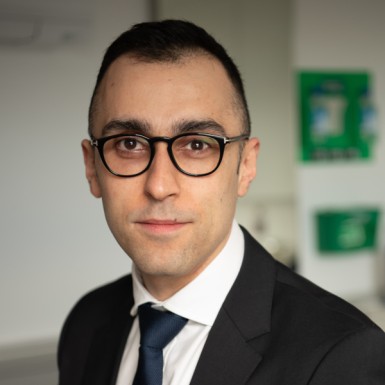
Mr Amir Sadri
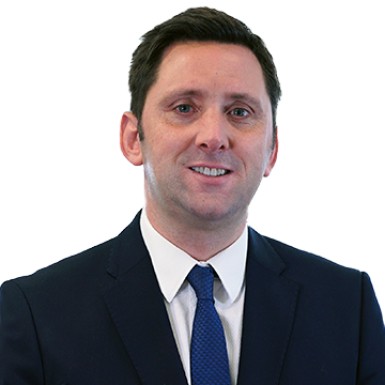
Mr Paul Tulley
Ethnic rhinoplasty is a specialised field of nasal surgery that focuses on enhancing the nasal appearance while preserving the cultural identity of patients from diverse ethnic backgrounds. Understanding the unique anatomical features and cultural beauty standards of different ethnic groups is crucial for achieving natural and harmonious results. This guide has explored the various techniques, challenges, and considerations involved in ethnic rhinoplasty, providing a comprehensive overview of this nuanced field.
Choosing an experienced surgeon with specific expertise in ethnic rhinoplasty is essential for individuals to make informed decisions and ensure a successful rhinoplasty journey.
What is ethnic rhinoplasty?
Ethnic rhinoplasty is a specialised surgical procedure that enhances the nose's appearance while preserving the individual's cultural identity. It aims to achieve aesthetic improvements that respect and reflect the patient's ethnic features, with no visible scarring.
How does ethnic rhinoplasty differ from traditional rhinoplasty?
Ethnic rhinoplasty differs from traditional rhinoplasty by focusing on enhancing the unique characteristics of an individual's ethnic features.
What are the recovery steps after ethnic rhinoplasty?
To ensure proper healing and minimise complications after ethnic rhinoplasty, managing bruising and swelling is important, to avoid strenuous activities, and follow post-operative information. This will help in a smooth recovery process.
How much does ethnic rhinoplasty cost?
Ethnic rhinoplasty generally costs between £7,000 and £9,000, influenced by factors such as the complexity of the procedure and the surgeon's expertise. It is essential to consult with a qualified surgeon who specialises in ethnic rhinoplasty.
At Kensington Medical, our experience and expertise ensures your journey to a refreshed and confident nose result. The starting point of this process is a consultation with your nose surgeon. In the face to face consultation your plastic surgeon will find out what you want to achieve, what are the best options for your facial structure, your timelines and any specific dates you are working towards.
Your plastic surgeon will show you before and after photos of past patients.
If you're having multiple procedures done at once, these plans will combine all aspects into one personalised program.
Ethnic nose consultations can be arranged in either Harley street, London or our Wimbledon location. To find out what is best for you fill in the contact us form or phone for information. We are hear to help you.