
A comprehensive guide to mini facelift surgery. Covering suitability, recovery, risks, results and cost.
A mini facelift is a surgical procedure that lifts the lower face to soften early jowls and give the jawline more definition. It generally uses shorter incisions than a full facelift. It may also improve mild looseness around the upper neck, depending on your skin and the changes your surgeon finds on examination.
At Kensington Medical, we specialise exclusively in facial plastic surgery. You can meet one of our consultant plastic surgeons in Harley Street or Wimbledon to talk through what you’d like to change and what a mini facelift could achieve for you. Our surgeons are on the GMC Specialist Register for Plastic Surgery.
This page was medically reviewed by Mr David Gateley MA, FRCS, FRCS (Plast), Medical Director, GMC number 2939470 on 27 October 2026 .
Facial surgery only, with consultant plastic surgeons on the GMC Specialist Register for Plastic Surgery.
Two consultations with your surgeon, with honest advice about whether surgery is right for you and time to decide.
Clear hospital information and a written quote before surgery.
Planned reviews and 24/7 contact for urgent concerns during postoperative care. If you have a concern after discharge, you can come back to see your surgeon.
If you’re starting to notice jowls or feel that your jawline has lost some definition, a mini facelift may be an option to consider. It mainly addresses the lower face and can help the neck.
At Kensington Medical, we specialise exclusively in facial plastic surgery. At your consultation, your plastic surgeon will ask what you’d like to change and assess your face and neck, taking into account your skin quality, general health and any previous facial surgery. Your surgeon will look at loose neck skin, cheek pad movement along with the lower face jowls. Your surgeon will explain what a mini facelift could achieve for you or whether another procedure would be more suitable.
If you’re concerned about more pronounced jowls, sagging through the cheeks or loose skin on the neck, your surgeon will explain how much improvement a mini facelift could offer. Depending on what you’d like to change and what they find on examination, they may discuss a SMAS facelift, a deep plane facelift or a neck lift.
If what bothers you most is a change in your jawline, a mini facelift may give you the improvement you’re looking for. If you’ve also noticed that your cheeks have dropped or the skin on your neck has become looser, your surgeon will look at those areas too. They’ll explain how much a mini facelift could improve and whether a fuller lift would better address what you’d like to change.
| Mini facelift | Full facelift such as Deep Plane and Extended SMAS facelift | |
| Jowls and jawline | Focuses on the lower face to soften jowls and give the jawline more definition. | Can address more pronounced jowls and loss of jawline definition. |
| Cheeks and neck | Mainly treats the lower face. Improvement in the neck is usually more limited. | May also address sagging through the cheeks. A neck lift can be included where appropriate. |
| Incisions | Generally uses shorter incisions. | Incisions may extend further, depending on the areas being treated. |
| Initial recovery | Usually shorter. Your surgeon will advise how much time to allow based on your procedure and the type of work you do. | Usually longer, especially if you’re also having a neck lift. |
Our consultant plastic surgeons are on the GMC Specialist Register for Plastic Surgery. At your consultation in Harley Street or Wimbledon, your surgeon will listen to what you’d like to change, assess your face and neck, and explain what a mini facelift could realistically achieve for you.
You can ask your surgeon to show you before and after photographs of their mini facelift patients and talk you through what you might expect in your own case.
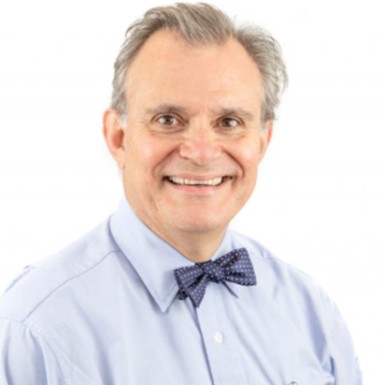
Mr David Gateley
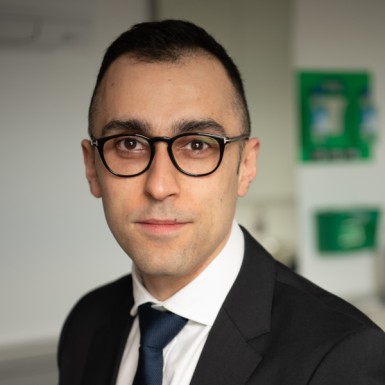
Mr Amir Sadri
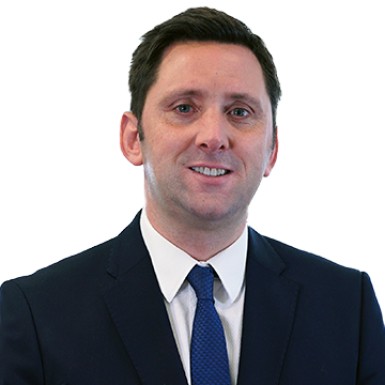
Mr Paul Tulley
If your jawline has started to look softer or heavier, a mini facelift can help bring back some definition. It lifts the lower face to soften jowls. The aim is a natural looking change that still feels like you.
Some patients also see an improvement just under the jawline, where the face meets the neck. Your surgeon will explain how much change you can expect in that area. You’ll get a clearer sense of the result as the swelling settles and your face heals.
Find out more and get in touch to see if you are suitable for a mini face lift.

A mini face lift is a facial rejuvenation procedure that treats sagging of the cheek area, mouth corners, and can help the jawline. Mini face lift surgery is a targeted option for individuals in their 40’s or 50’s who want to address early signs of aging, such as laugh lines, wrinkles, and moderate skin laxity in the cheek area.
The mini facelift is designed to address facial and neck ageing, including sagging skin and wrinkles around the cheeks and jawline.
For individuals with advanced signs of ageing, a deep plane facelift may be more suitable due to its ability to target deeper layers of facial tissue.
We would carry out a mini lift on a patient in their 60’s, although a SMAS, mid to lower facelift can often be a better choice. Our expert Plastic Surgeons will ensure that you get the best advice to achieve the results you are after.
We would not recommend a mini facelift or lower mini facelift for someone in their 70s due to greater skin and muscle laxity. The full facelift or deep plane facelift options can be discussed in your consultation.
Other procedures, such as eyelid surgery or non-surgical treatments, can also be combined with a mini facelift for comprehensive facial rejuvenation.
Over time, the skin and tissues of the lower face can loosen and shift. You may notice jowls forming or that the line from your chin to your ear looks less defined.
During a mini facelift, your surgeon makes incisions around the ears to lift the tissues of the lower face and remove excess skin. The exact position and length of the incisions depend on the technique your surgeon recommends. At your consultation, they’ll show you where your scars are likely to sit and explain what the lift could achieve around your jawline and upper neck.
At Kensington Medical, we specialise exclusively in facial plastic surgery. Two people can come to us with the same concern about their jowls and need a different approach. Your surgeon will look at how your cheeks, jawline and neck have changed together, then explain which technique could give you the improvement you’re looking for.
S-lift. Named after the shape of the incision around the ear, the S-lift focuses on the lower face. Your surgeon lifts the tissues in this area to soften jowls and bring more definition to the jawline.
MACS lift. MACS stands for Minimal Access Cranial Suspension. Your surgeon uses internal stitches to lift and support the tissues beneath the skin in an upward direction. This can soften jowls and may also lift part of the cheek, depending on where you’ve noticed changes.
At Kensington Medical, we start by asking what you’d most like to change. If we think a mini facelift would leave you with some of the same concerns after surgery, we’ll explain why at your consultation. This may be the case if you have:
If your main concern is your jawline, your surgeon may discuss a lower facelift or jowl lift. Depending on how your cheeks, jawline and neck have changed, they may also discuss a SMAS facelift, a deep plane facelift or a neck lift. Your surgeon will talk you through what each option could achieve for you, so you can take your time deciding what feels right.
At Kensington Medical, we specialise exclusively in facial plastic surgery. Our consultant plastic surgeons are on the GMC Specialist Register for Plastic Surgery. You can meet your surgeon in Harley Street or Wimbledon and talk through what you’d like to change. They’ll assess your face and neck, explain what a mini facelift could achieve for you and show you before and after photographs of their own patients.
The consultation fee is £200 and includes a second appointment with your surgeon, either in person or by video. We find that some of the most useful questions come up after you’ve had time to think about the first conversation. The second appointment gives you time to ask those questions and talk through the plan before you decide whether to go ahead.
From your first consultation to your follow-up appointments, we’ll explain what to expect at each stage of your mini facelift. You’ll have time to ask questions and think through your surgeon’s advice before deciding whether to go ahead.
Read more about your patient journey with Kensington Medical, including the cooling off period, where your surgery takes place and the care you’ll receive afterwards.
Initial Consultation
Your journey begins with a dialogue between you and your plastic surgeon: the pre-operative consultation, which is central to the operation's success.
At Kensington Medical, patients interested in surgery undergo several consultations with the surgeon. We are keen for our patients to be fully informed before deciding whether to proceed with a mini facelift. We encourage our patients to see our plastic surgeons more than once and ask as many questions as they wish. Typically, our patients go through two pre-operative consultations.
The first consultation tends to be face-to-face. During it, the surgeon will:
Following the first consultation, we will:
We also have a second consultation for the following reasons:
The second consultation can also be face to face. Alternatively, it can be via a video zoom call.
Following your consultations, our medical team is always available should you have further questions before your surgery.
Pre-Operative Care
Once you have decided to go ahead with a mini facelift, we will book your operation in one of our specialist cosmetic surgery hospitals.
Before your operation, you will be sent a health questionnaire. This will be reviewed by your anaesthetist, who may call you to discuss specific aspects of your medical history. In certain cases, you may be required to attend the clinic for blood tests. This will be discussed with you by one of our medical team members before your scheduled appointment date.
We will also issue you with preoperative instructions. In particular:
On The Day Of The Procedure
You will arrive at least one hour before the time of your procedure. The nursing staff at the hospital will monitor your blood pressure and other relevant essentials. You will then meet your anaesthetist and plastic surgeon for a final markup.
The actual operation involves carefully sculpting and repositioning underlying tissue and fat within the face to create a more youthful contour around the eyes, chin, neckline, and jawline area. The result is smoother skin texture while preserving natural facial expressions throughout different movements. The incisions are then closed using sutures. This will leave small scars hidden along areas such as the hairline or scalp, which can fade over time depending on how well they are cared for.
We typically perform this procedure under general anaesthesia or local anaesthesia with sedation. It lasts 1.5 to 2 hours.
Post-Operative Care
Aftercare following a mini facelift is essential to ensure we achieve best results. The benefits of a mini facelift include a quicker recovery period and natural results, allowing patients to return to their daily activities sooner while enjoying a refreshed appearance.
Following your surgery, you will be transferred to the hospital’s recovery room, where the nursing staff will ensure that your recovery is smooth. You should stay there for a few hours. Once the nursing team are happy that you are in a fit state to go home, you will leave the hospital accompanied by a friend or a family member. You should also arrange for someone to stay with you overnight for the first night following your operation. Generally, post-operative pain is minimal, but you will be given pain killers in case you need them.
Once you have been discharged from the hospital, our nursing team will be available 24/7 to ensure your post-operative journey is comfortable and pain free and to field any questions you may have.
Your plastic surgeon will see you a number of times in the weeks following your operation to monitor the facial skin and scars and to support you:
The next day, the surgeon will check the wounds and dressings.
One week post-operatively, there will be another consultation and depending on your healing progress, the surgeon may decide to remove sutures then.
Your surgeon may see you again two weeks post-operatively, at which stage all remaining sutures will be removed and your progress monitored.
The last post-operative consultation is at six weeks. Generally, you will be discharged from the surgeon’s care at that stage.
Bruising and swelling can last up to one month following this surgery.
Post-Operative Instructions - Looking after yourself
Before you go home, we’ll go through how to look after your incisions and what to expect over the first few days. We’ll also talk through the everyday things you might be wondering about, such as when you can wash your hair, wear make-up or get back to exercise.
You’ll see your surgeon again after your mini facelift so they can check how you’re healing and answer any questions. If something is worrying you once you’re home, you can call our nursing team at any time, day or night.
While mini facelift surgery is considered a less invasive procedure compared to traditional facelift surgery, it’s important to be aware of the potential risks and complications that can arise.
At your consultation, your Kensington Medical surgeon will explain the risks of a mini facelift and what they mean for you, taking into account your health and the technique they recommend. You’ll have time to ask questions and talk through how we would look after you if a complication occurred.
Bruising, swelling and temporary numbness are common after surgery. Possible complications include:
Before you go home, we’ll explain what to look out for and how to reach our nursing team if you’re worried about how you’re healing.
Depending on the work you do and how you’re healing, you may be able to return to work after one to two weeks. If you have a wedding, a work event or another date in mind, mention it at your consultation. You might feel ready to go back to work while some bruising or swelling is still visible, so it’s worth allowing more time for an important event.
Plan to wait around four weeks before returning to strenuous exercise. Your surgeon will advise you on when to start again based on how you’re healing.
What is the recovery time from a mini facelift?
Allow around one to two weeks before returning to work, depending on your job and how you’re healing. Bruising and swelling may still be visible, so mention any important social dates at your consultation and we’ll help you plan.
You can usually return to strenuous exercise after around four weeks. Your surgeon will check your progress and advise when you’re ready.
What scarring can be expected from a mini facelift?
A mini facelift leaves permanent scars, which usually become less noticeable as they mature. Your surgeon will show you where they plan to place the incisions around your ears and explain how these can sit within the natural creases of your skin. The position and length depend on the technique you’re having.
At your follow-up appointments, your surgeon will check how your scars are healing and advise you on caring for them.
For more information about all types of facelift scars visit our facelift scar page.
How soon will I see results / are they permanent?
Your results will become clearer as bruising and swelling settle. It can take several months for the tissues to settle fully, so give yourself time before judging the final result.
Your face will continue to age after surgery. How long the improvement lasts depends on your skin, the technique used and lifestyle factors such as smoking and sun exposure. At your Kensington Medical consultation, your surgeon will explain what they would expect for you based on the changes you’re seeing now.
It is a popular choice for working women and men who cannot afford the downtime of a full facelift. We see many women and men in their 40's, 50's and 60's who are looking to have a more refreshed appearance especially in the lower half of the face.
How much does a mini facelift cost?
A mini facelift at Kensington Medical starts from £9,000. The final cost depends on the procedure your surgeon recommends and whether you’re having any additional surgery.
After your consultation, we’ll send you a written quote for your treatment plan. You’ll have time to review it and ask us questions before deciding whether to go ahead.
For more details on facelift costs read our Guide to facelift costs in London.
How should I prepare for a mini facelift?
We’ll go through your medical history, any medicines or supplements you take, and the preparations needed for your surgery. You’ll receive written instructions, including advice about smoking, eating and drinking before your operation, and any changes to medication agreed with your medical team.
Arrange for a friend or family member to take you home and stay with you for the first night. It also helps to organise time off work and any support you might need at home, so you can rest during the first few days.
If anything is unclear, contact us before your surgery. We’re happy to talk it through with you.
Can I see mini facelift before and after photographs?
Yes. At your Kensington Medical consultation, your plastic surgeon will show you before and after photographs of patients they have operated on. You can talk through what you like about the results and ask how those patients’ concerns compare with your own.
Your surgeon will explain what may be achievable for you, taking into account your facial structure, skin quality and the changes you’d like to make.
If you’re wondering whether a mini facelift could help with your jowls or jawline, we’d be happy to arrange a consultation in Harley Street or Wimbledon.
You’ll meet one of our consultant plastic surgeons, who will listen to what’s bothering you, assess your face and neck, and explain your options. You’ll have time to ask questions and consider their advice before deciding what feels right for you.
Contact our team using the enquiry form or call 0204 551 4892.
To book a consultation in our Harley street, London or Wimbledon clinic please fill in the contact us form or give us a phone call.